

COMPANION?
what does it mean to
All conversations evolve.
At every age there is a dominant form of conversation that seems to meet the times and challenges we face as human beings. Sometimes these conversations meet us exactly where we are and offer a way forward. Sometimes conversations unintentionally keep us stuck in modes and preoccupations that simply serve to make us feel better without allowing us to evolve.
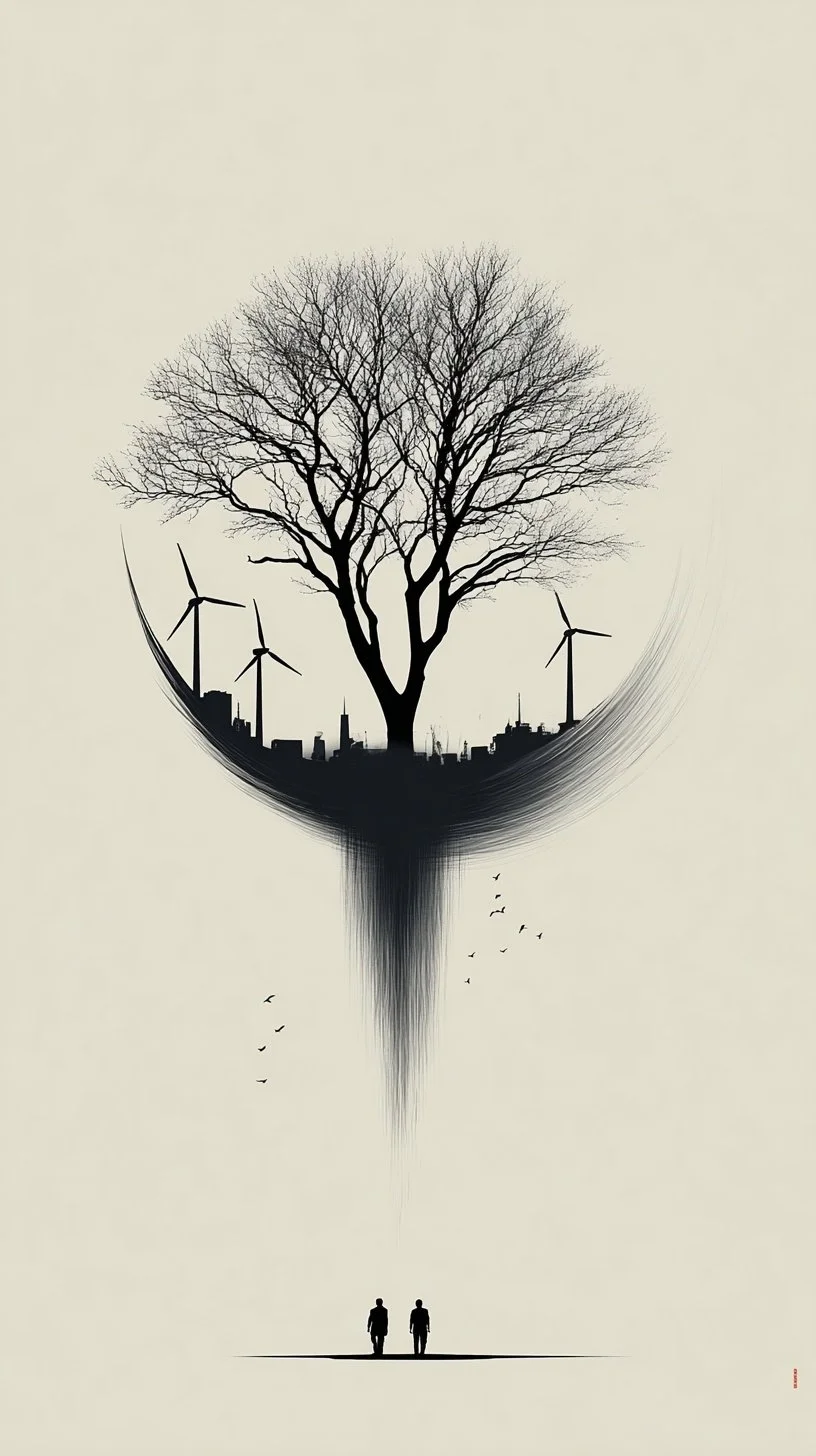
In our era we are faced, not only with unprecedented change and polarisation, with a number of emerging conditions that challenge our very existence as we understand it.
We may recognise some of these:
Climate instability (unpredictable in its predictability across the globe)

Conflict
(too many to list)
Peak materialism
(we have so much stuff so why do we still feel empty or dissatisfied?)

Political polarisation (make ourselves right by making you worng)


Post covid dissolution of the psychological contract between workers and companies (the old models of careers and loyalty are breaking)

Learning to evolve our conversation means evolving the questions we ask ourselves
Forms of conversation you may have experienced
-
I am here to convince you and I am here to resist being convinced by you!
-
The experience of a past era will guide you now.
-
You identify what you want and I will help you get it.
-
We have shared experience.
-
Lets get on the balcony and look across the landscape together.
-
I have more experience to lead you.
-
Here are my credentials.
-
Check this out and see me.
-
Here is what I am interested in.
-
Your psychological self holds the answers.
Learning to evolve our conversation means evolving the questions we ask ourselves.
The majority of people who seek out a contemplative companion have arrived at a sense that something is missing or in deficit in the world as it is right now. It’s a nagging but difficult to describe sense that some connection or depth of stability would be helpful to their flourishing. Attempts to find a solution to this in work, material comforts, institutions or soundbites seem to have created only temporary relief.
A continued focus on ourselves still seems to create dis ease and the language for describing and talking about this odd feeling feels clunky and difficult to share with others.
We call this experience “being on the edge of the ineffable”.